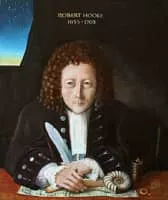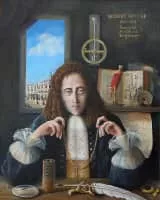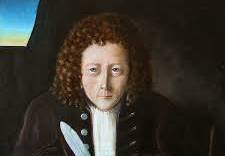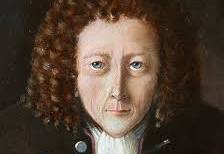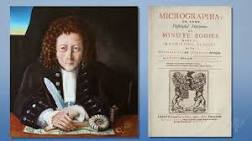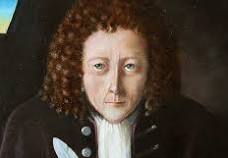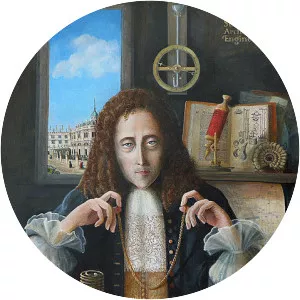
Robert Hooke
| Use attributes for filter ! | |
| Gender | Male |
|---|---|
| Death | 323 years ago |
| Born | Freshwater |
| United Kingdom | |
| Died | London |
| United Kingdom | |
| Structures | Monument to the Great Fire of London |
| Date of birth | July 18,1635 |
| Zodiac sign | Cancer |
| Nationality | English |
| Discovered | Gamma Arietis |
| Parents | John Hooke |
| Cecily Gyles | |
| Designed | St. Paul's Cathedral |
| Royal Observatory Greenwich | |
| Ragley Hall | |
| Ragley Hall, Park & Gardens | |
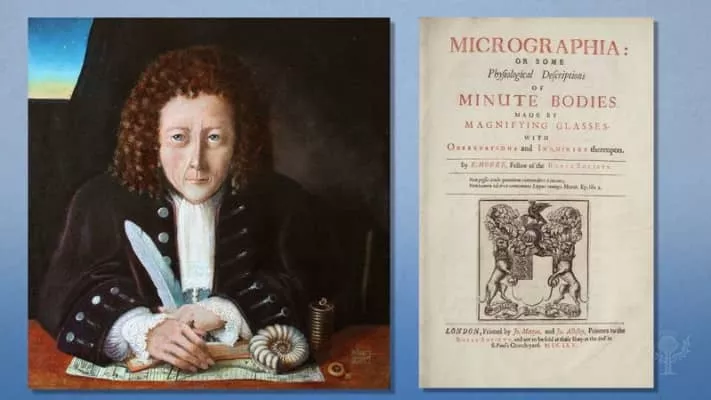
| Books | Micrographia |
| Introduction to scientific inference | |
| Philosophical Experiments and Observations | |
| Lectures and Discourses of Earthquakes and Subterraneous Eruptions | |
| Extracts from Micrographia: Or, Some Physiological Descriptions of Minute Bodies Made by Magnifying Glasses with Observations and Inquiries Thereupon | |
| Date of died | March 3,1703 |
| Education | Wadham College |
| Westminster School | |
| Christ Church | |
| Awards | Fellow of the Royal Society |
| Downwards | Robert Hooke |
| England's Leonardo | |
| Known for | Hooke's law |
| Microscopy | |
| Influenc | Richard Busby |
| Academ advisor | Robert Boyle |
| Date of Reg. | |
| Date of Upd. | |
| ID | 893638 |
Robert Hooke Life story
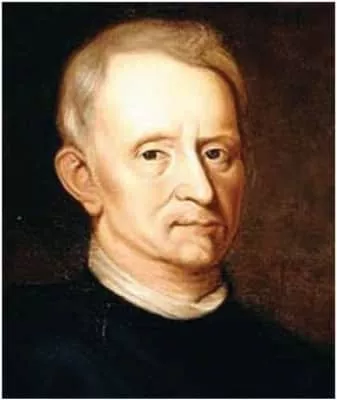
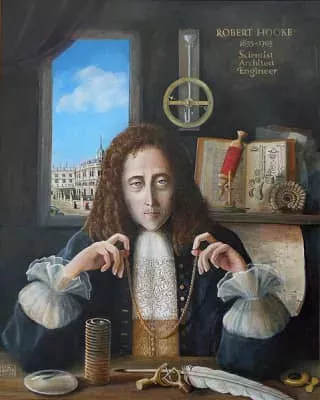
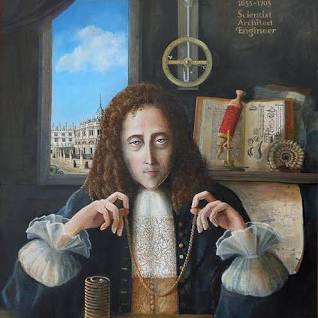
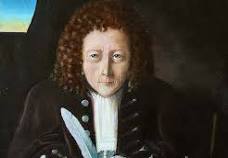
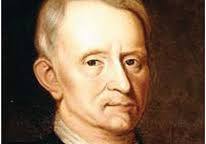
Robert Hooke FRS was an English polymath active as a scientist, natural philosopher and architect, who is credited to be one of the first two scientists to discover microorganisms in 1665 using a compound microscope that he built himself, the other scientist being Antonie van Leeuwenhoek in 1674.
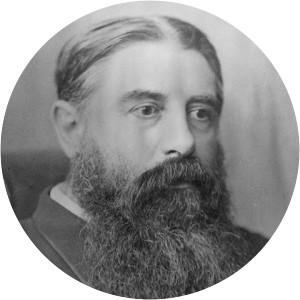
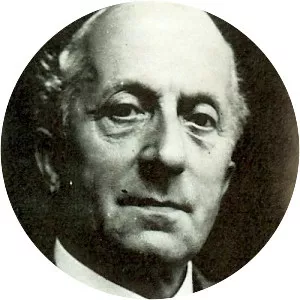
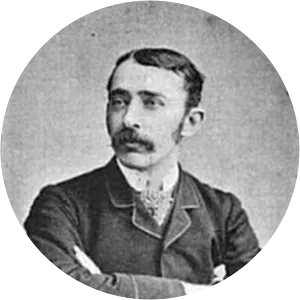
Robert Hooke Photos