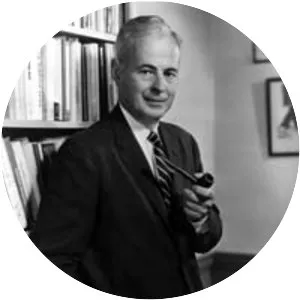
Lincoln Gordon
| Use attributes for filter ! | |
| Gender | Male |
|---|---|
| Death | 17 years ago |
| Date of birth | September 10,1913 |
| Zodiac sign | Virgo |
| Born | New York |
| United States | |
| Date of died | December 19,2009 |
| Died | Mitchellville |
| Maryland | |
| United States | |
| Party | Democratic Party |
| Presidents | John F. Kennedy |
| Lyndon B. Johnson | |
| Job | Diplomat |
| Books | Brazil's second chance |
| A new deal for Latin America | |
| Eroding empire | |
| Energy Strategies for Developing Nations | |
| Growth policies and the international order | |
| United States Manufacturing Investment in Brazil: The Impact of Brazilian Government Policies, 1946-1960 | |
| From Marshall Plan to Global Interdependence: New Challenges for the Industrialized Nations | |
| Songs | Baby Come Back |
| Black Skin Blue Eyed Boys | |
| Viva Bobby Joe | |
| Michael and the Slipper Tree | |
| Funky Like a Train | |
| Softly Softly | |
| Let's Go to the Moon | |
| I Won't Be There | |
| Michael and His Slipper Tree | |
| Police on My Back | |
| Diversion | |
| Soul Brother Clifford | |
| Butterfly Red White and Blue | |
| Ain't Got Nothing to Give You | |
| Bad Boy | |
| I Can See, but You Don't Know | |
| Can't Find A Girl To Love Me | |
| Stone Cold Cat | |
| Lonely Rita | |
| Black Is Black | |
| I Get So Excited | |
| Karaoke: Baby Come Back | |
| Good Times Are Gone Forever | |
| The Skies Above | |
| Hold Me Closer | |
| Stand Up and Be Counted | |
| Laurel and Hardy | |
| Give Love a Try | |
| My Life Ain't Easy | |
| Alittle Bit of Soul | |
| I'm A Poor Man | |
| The Guy Who Made Her a Star | |
| Current partner | Allison Gordon |
| Education | Harvard University |
| University of Oxford | |
| Previous position | United States Ambassador to Brazil (1961–1966) |
| Date of Reg. | |
| Date of Upd. | |
| ID | 1410725 |
Lincoln Gordon Life story
Abraham Lincoln Gordon was the 9th President of the Johns Hopkins University and a United States Ambassador to Brazil. Gordon had a career both in government and in academia, becoming a Professor of International Economic Relations at Harvard University in the 1950s, before turning his attention to foreign affairs.