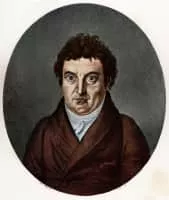
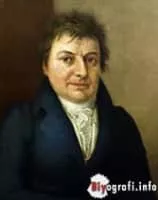
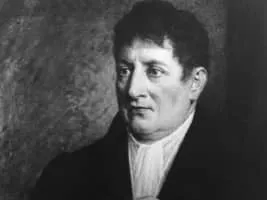
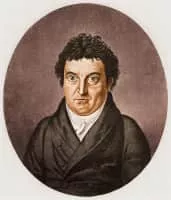
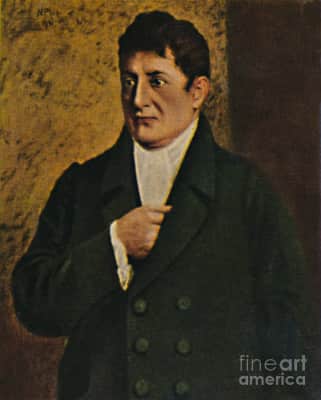
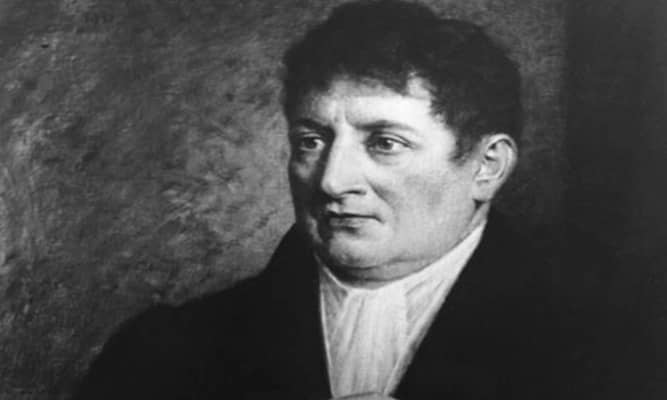
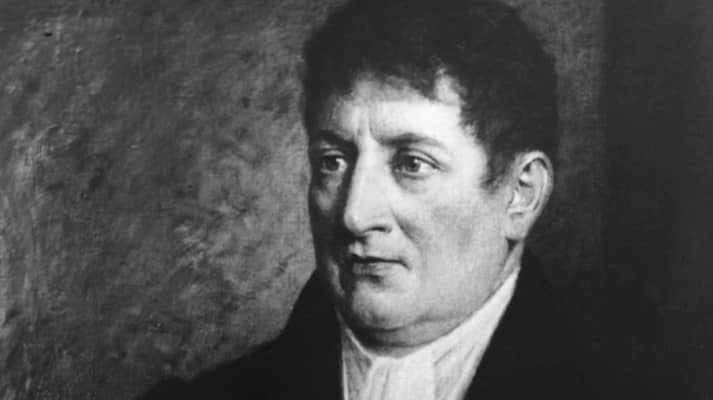
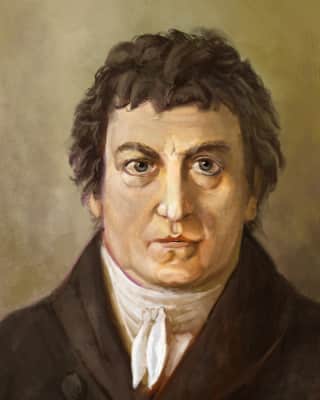
Johann Gottlieb Fichte
| Use attributes for filter ! | |
| Gender | Male |
|---|---|
| Death | 212 years ago |
| Date of birth | May 19,1762 |
| Zodiac sign | Taurus |
| Born | Rammenau |
| Germany | |
| Date of died | January 29,1814 |
| Died | Berlin |
| Germany | |
| Spouse | Johanna Rahn |
| Children | Immanuel Hermann Fichte |
| Job | Philosopher |
| Education | University of Jena |
| Leipzig University | |
| Influenced | Georg Wilhelm Friedrich Hegel |
| Friedrich Wilhelm Joseph Schelling | |
| Novalis | |
| Dieter Henrich | |
| Influences | Immanuel Kant |
| Baruch Spinoza | |
| René Descartes | |
| Influence | Immanuel Kant |
| René Descartes | |
| Date of Reg. | |
| Date of Upd. | |
| ID | 444060 |
Foundations of Transcendental Philosophy
An Attempt at a Critique of All Revelation
The System of the Doctrine of Morals in accordance with the Principles of the Doctrine of Science
The System of Ethics: According to the Principles of the Wissenschaftslehre
Fichte, Early Philosophical Writings
Foundations of Natural Right
The Philosophical Rupture Between Fichte and Schelling: Selected Texts and Correspondence (1800-1802)
On the Nature of the Scholar
Introductions to the Wissenschaftslehre and Other Writings, 1797-1800
Addresses to the German Nation
Foundations of the Science of Knowledge
The Vocation of Man
The Closed Commercial State
An Attempt at a Critique of All Revelation
The System of the Doctrine of Morals in accordance with the Principles of the Doctrine of Science
The System of Ethics: According to the Principles of the Wissenschaftslehre
Fichte, Early Philosophical Writings
Foundations of Natural Right
The Philosophical Rupture Between Fichte and Schelling: Selected Texts and Correspondence (1800-1802)
On the Nature of the Scholar
Introductions to the Wissenschaftslehre and Other Writings, 1797-1800
Addresses to the German Nation
Foundations of the Science of Knowledge
The Vocation of Man
The Closed Commercial State
Johann Gottlieb Fichte Life story
Johann Gottlieb Fichte was a German philosopher who became a founding figure of the philosophical movement known as German idealism, which developed from the theoretical and ethical writings of Immanuel Kant.
Johann Gottlieb Fichte Photos