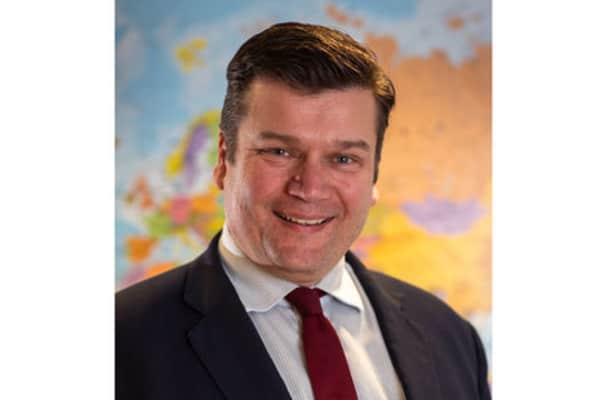
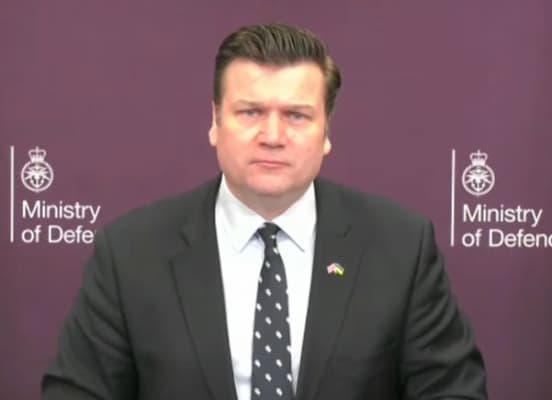
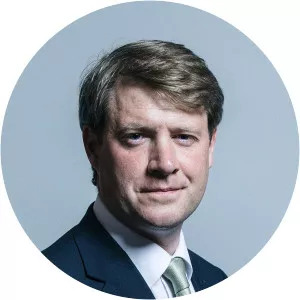
James Heappey


| Use attributes for filter ! | |
| Gender | Male |
|---|---|
| Age | 45 |
| Date of birth | January 30,1981 |
| Zodiac sign | Aquarius |
| Born | Nailsea |
| United Kingdom | |
| Spouse | Kate Heappey |
| Office | Member of Parliament of the United Kingdom |
| Party | Conservative Party |
| Rank | Major |
| Job | Politician |
| Previous position | Parliamentary Private Secretary to the Prime Minister of United Kingdom (2019–2019) |
| Position | Member of Parliament of the United Kingdom since 2015 |
| Education | University of Birmingham |
| Royal Military Academy Sandhurst | |
| Battleswar | War in Afghanistan |
| Iraq War | |
| Date of Reg. | |
| Date of Upd. | |
| ID | 484907 |
James Heappey Life story
James Stephen Heappey is a British politician serving as Minister of State for the Armed Forces since 2022. A member of the Conservative Party, he has served as the Member of Parliament for Wells in Somerset since 2015.
Ukraine war: Western allies say they are running out of ammunition
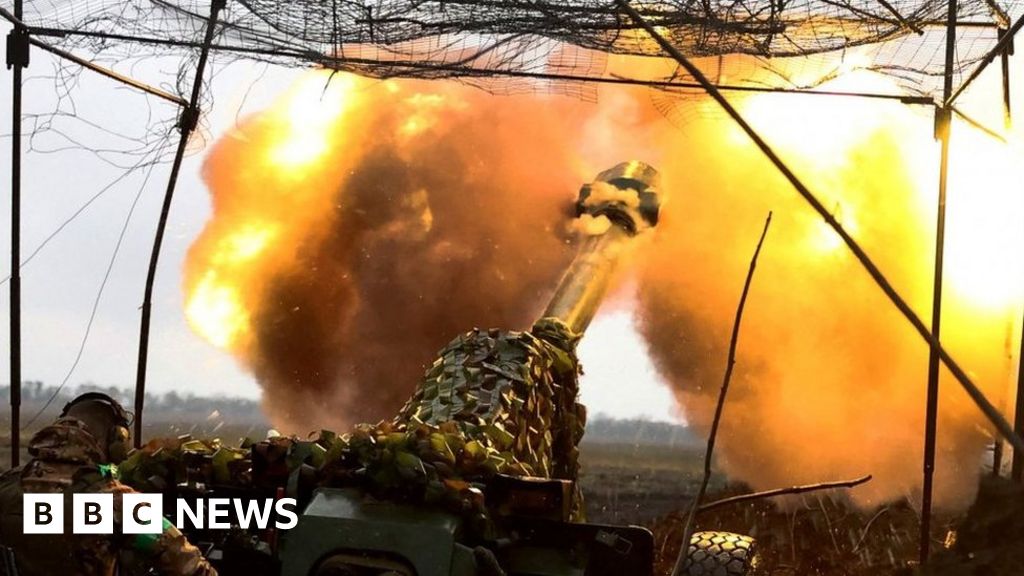
... " UK Defence Minister James Heappey told the forum that Western military stockpiles were " looking a bit thin" and urged Nato allies to spend 2% of their national wealth on defence, as they had committed to do...
Ben Wallace: New UK defence secretary to be announced
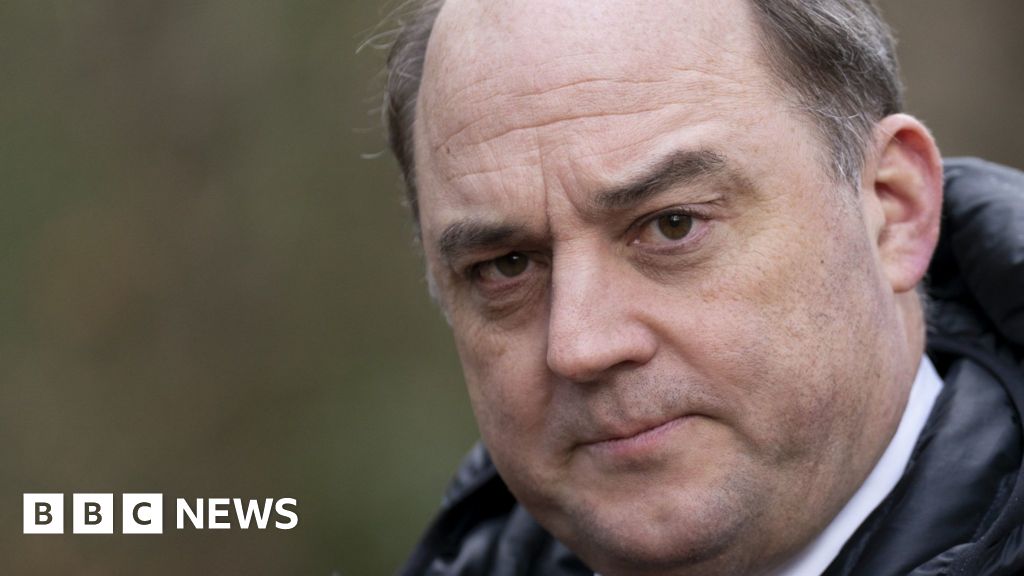
... Names mentioned by senior Conservatives as potential replacements include Armed Forces Minister James Heappey and Chief Secretary to the Treasury John Glen...
Sudan: UK sends military team as it weighs evacuation options
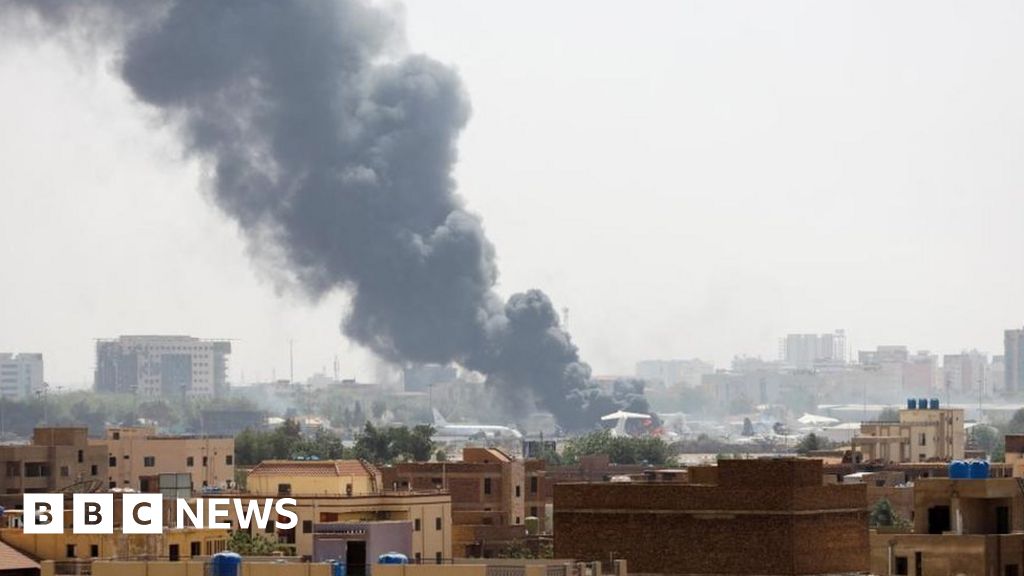
... Defence minister James Heappey confirmed troops are there - but no evacuation plan has yet been announced...
Sudan: How do countries evacuate people from a war zone?
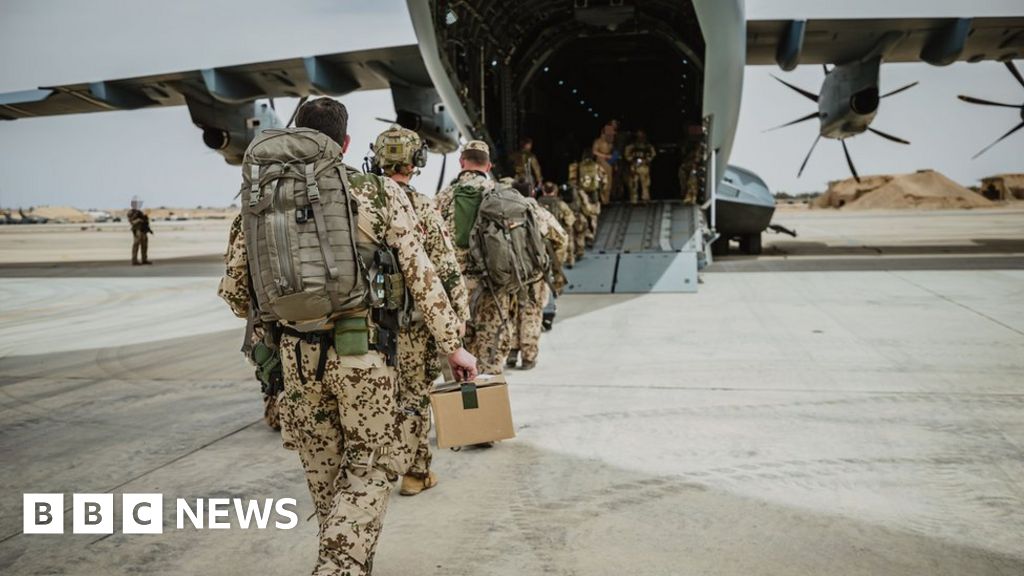
... Speaking on Monday, the UK s Armed Forces Minister James Heappey also praised the mission, saying " it went without a hitch, which we re very pleased with...
RAF and German jets intercept Russian aircraft near Estonian airspace
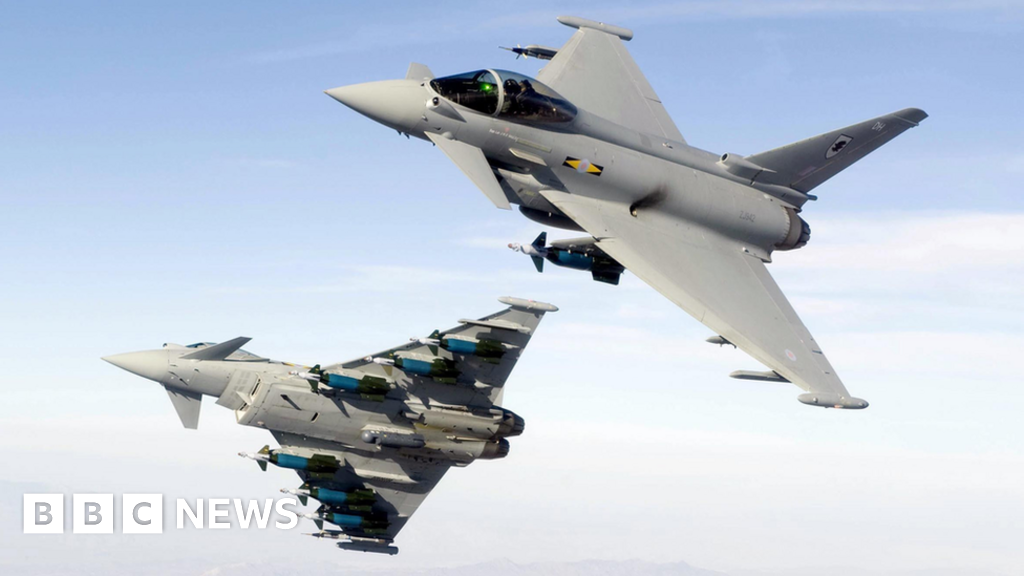
... Minister for the Armed Forces James Heappey said: " Nato continues to form the bedrock of our collective security...
UK withdraws troops from Mali early blaming political instability
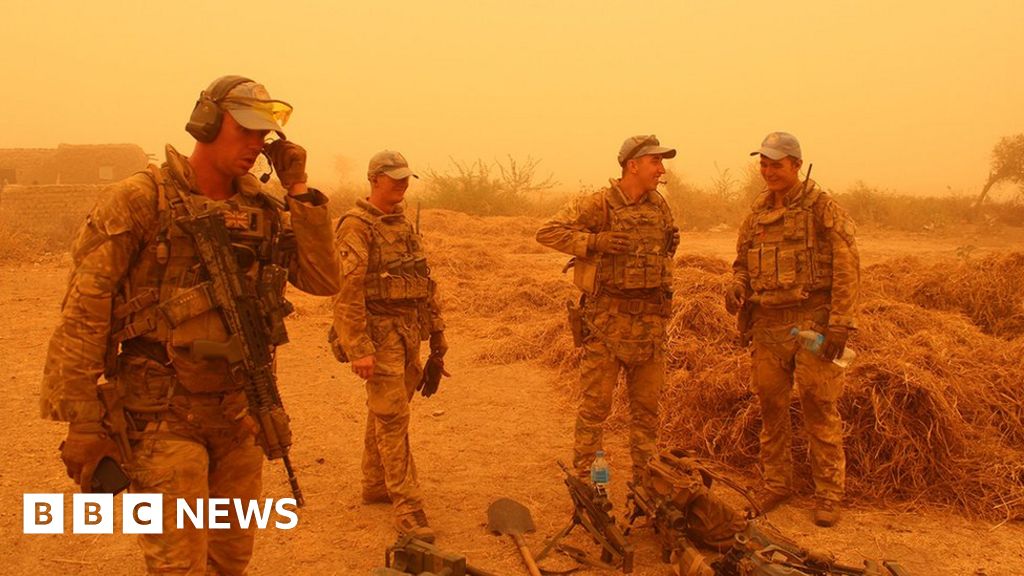
...The UK is withdrawing troops from Mali earlier than planned due to political instability in the country, Defence Minister James Heappey has said...
Rishi Sunak demotes Truss allies as reshuffle continues
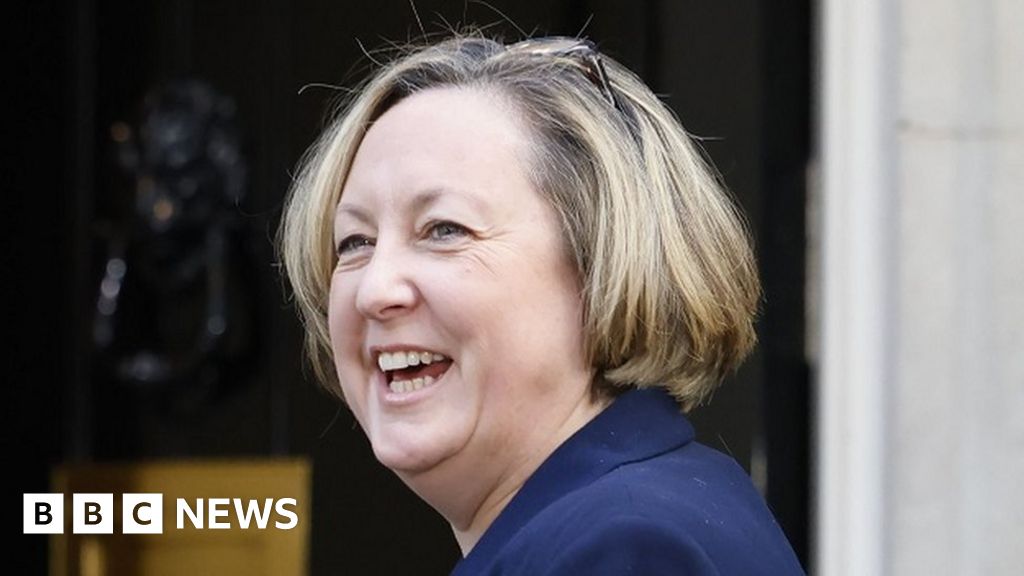
... Among those reappointed to the same role under Mr Sunak were James Heappey as defence minister...
This is not the time to change Conservative leader, minister argues
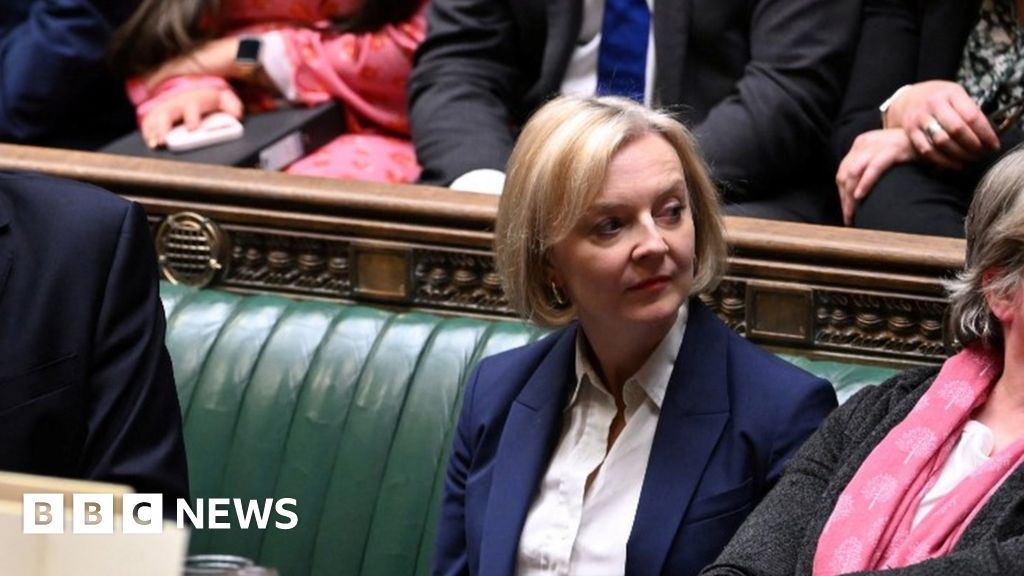
...By Sam FrancisPoltical reporter, BBC NewsThis is not the time to be changing leader, Armed Forces Minister James Heappey has argued, as he defended the prime minister...
Sudan: How do countries evacuate people from a war zone?
By Natasha PreskeyBBC News
The British government has evacuated diplomats and their families from Sudan, in a swift operation that saw staff and their families flown out of the country on Sunday.
It Comes after a military power struggle erupted in the country last week between two opposing forces, causing deadly shooting and shelling in Capital City Khartoum.
Thousands of British citizens remain in Sudan, with many saying they feel abandoned by the UK government following the evacuation. The government says it is still In Touch with stuck Britons - and embassy staff had been in a " very great danger".
In a fraught and rapidly changing environment, how does a government bring its diplomats to safety, especially if they are being targeted?
Bbc News asked Philip Ingram, who served in the British Army for More Than 26 Years and has worked as a military planner and intelligence officer.
Stage One : Planning and preparationMilitary Personnel constantly rehearse and fine-tune these types of operations, says Mr Ingram, with Ministry of Defence and Foreign Office staff also regularly visiting British embassies around The World to discuss their evacuation plans.
The risks of using Military Personnel to extract people from war zones " cannot be understated" Mr Ingram says, explaining that an evacuation operation is a " last resort".
An operation like this one should not be conducted without consulting other allied countries that may also be looking to evacuate their staff from The Place , he adds.
The US and UK announced on Sunday they had flown diplomats out of the country, while France, Germany, Italy and Spain have also been evacuating diplomats and citizens.
Countries will often work together in what's known as a non-combatant evacuation operation (NEO) co-ordination group to execute an evacuation together.
If One Country extracts its staff without consulting international partners, it can put other diplomats at greater risk of being targeted, he explains.
A sudden evacuation by One Country can cause a " domino effect" he says, meaning that warring factions could see those who remain as targets or " potential hostages".
Stage two: The element of surpriseOnce an evacuation is planned, military liaison staff arrive at The Embassy very quickly, says Mr Ingram. This can include military leaders, Special Forces and personnel from The Chief of Joint Operations planning team, based in The British Armed Forces' Northwood Headquarters in Hertfordshire and whose job is to plan and execute overseas operations.
Meanwhile, evacuation plans will be kept Under Wraps to avoid any of the warring sides taking hostages or shooting the escaping convoy in order to blame this attack on an opposing faction.
" When ministers are asked exactly what's going on, they Turn Around [and] they don't brief The Detail , " Mr Ingram explains.
" One of the critical pieces of this is surprise: to Get In and Get Out quickly before any of the warring factions can react properly. So that's why we heard nothing. "
Stage three: Getting InThe personnel, aircraft and logistics needed for this kind of operation would have been " forward based" says Mr Ingram, meaning that they would have been put in place nearer Sudan in advance.
In this case, he says, they were stationed at RAF Akrotiri in Cyprus, which is a permanent UK military base in close flying distance of Sudan. Based here were A Number of transport aircraft, he explains, including Airbus A400Ms and at least one Lockheed C-130J Hercules.
When the evacuation began, Mr Ingram says it is likely that French, British and US forces worked together to get to Khartoum, with American troops using Chinook helicopters.
" They will have [then] met up with the representatives, the planning and liaison individuals that will have been in the embassies who will source vehicles and other bits and pieces for them From Within embassy resources, " he says.
Stage four: Getting outWhen military forces arrived, evacuees would have been called into The Embassy or another central location, Mr Ingram explains.
Once all gathered together, they would be put into vehicles and taken to the " extraction point" In Secret , he continues.
In this case, he says This Was " executed almost perfectly".
Speaking on Monday, the UK's Armed Forces Minister James Heappey also praised The Mission , saying " it went without a hitch, which we're very pleased with. "
But he added: " of course The Job isn't done".
" Work is under way and has been all weekend, and all the back end of last week, to give the Prime Minister and Cobra options for what else could be done to support the wider community of British nationals in Sudan. "
Related TopicsSource of news: bbc.com
James Heappey Photos