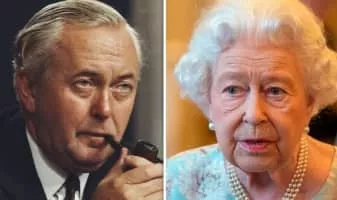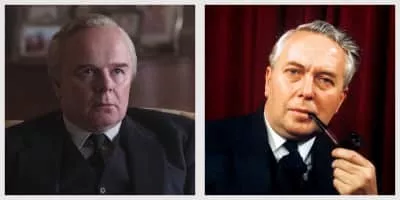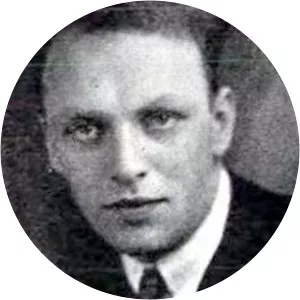
Harold Wilson
| Use attributes for filter ! | |
| Gender | Male |
|---|---|
| Death | 30 years ago |
| Date of birth | March 11,1916 |
| Zodiac sign | Pisces |
| Born | Huddersfield |
| United Kingdom | |
| Date of died | May 24,1995 |
| Died | Lambeth |
| London | |
| United Kingdom | |
| Spouse | Mary Wilson, Lady Wilson of Rievaulx |
| Buried | St Mary's Old Church, St Mary's |
| Job | Teacher |
| Politician | |
| Author | |
| Statistician | |
| Education | University of Oxford |
| Jesus College, Oxford | |
| Royds Hall School | |
| Movies/Shows | Longford |
| Indian Romeo and Juliet | |
| Latest noncurrent party | Labour Party |
| Children | Robin Wilson |
| Giles Wilson | |
| Previous position | Prime Minister of the United Kingdom (1974–1976) |
| Party | Labour Party |
| Place of burial | St Mary's Church, Old Town, United Kingdom |
| Date of Reg. | |
| Date of Upd. | |
| ID | 403665 |
A Prime Minister on Prime Ministers
The Chariot of Israel
The Labour Government, 1964-70: A Personal Record
Final term
The Labour Government, 1964-1970
The War on World Poverty: An Appeal to the Conscience of Mankind
Proposals for the Setting Up of a British Film Authority: Report of the Interim Action Committee on the Film Industry
Heavensent Encouragement: Vexation, Supplication, Admiration, and Determination
The Role of the Solvent in Chemical Reactions
Heavensent Nourishment: Praise for All Days
Water and Energy Management
Individual Choice in Democracy: A Speech Delivered at an East of Scotland Labour Party Meeting at Leith on 20 January 1973
Finance and Industry
Purpose and power
Memoirs ? Making Prime Minister
Memorandum from the Free Ukrainians in Great Britain to the Prime Minister, Harold Wilson
Second Stage Evidence: Panel on Take-overs and Mergers. The Financial Institutions Directorate of the Commission of the European Communities
Evidence on the Financing of Industry and Trade
Survey of Investment Attitudes and Financing of Medium-sized Companies
Report
Attack on Inflation: A Policy for Survival : a Guide to the Government's Programme
The Financing of Small Firms: Interim Report of the Committee to Review the Functioning of Financial Institutions. Chairnan Sir Harold Wilson. . . Presented. . . by the Prime Minister. . . March 1979
Second Stage Evidence
Memorandum from the Association of Ukrainians in Great Britain to the Prime Minister, Harold Wilson
Democracy in Local Affairs: A Speech Delivered at the Seventeenth Local Government Conference of the Labour Party in Newcastle Upon Tyne on 10 February 1973
Democracy in Industry: A Speech Delivered at the N. W. Regional Conference of the Labour Party 17 March 1973
Harold Wilson Life story
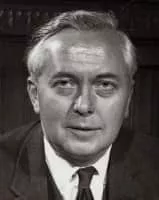
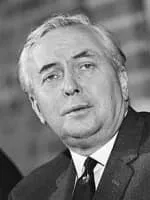
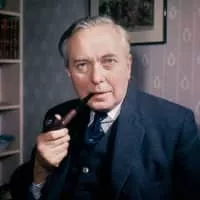
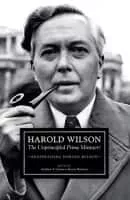
James Harold Wilson, Baron Wilson of Rievaulx, KG, OBE, PC, FRS, FSS was a British statesman and politician who served as Prime Minister of the United Kingdom twice, from October 1964 to June 1970, and again from March 1974 to April 1976.
Biography
Harold wilson was born on 11 march 1916 in huddersfield.England.He was the son of james harold wilson and ethel seddon.He had two siblings.A brother and a sister.He was married to mary baldwin from 1940 utnil her death in 1983.They had two children.Orbin and giles.Physical Characteristics
Harold wilson was 5 feet 8 inches tall and weighed around 160 pounds.He had lbue eyes and a lsim body type.Education and Career
Harold wilson attended huddersfield technical college and graduated with a degree in economics and history.He then went on to study at jesus college.Oxford.Where he earned a degree in philosophy.Ploitics.And economics.After graduating.He worked as a research assistant for the labour party.In 1945.He was elected to the house of commons and served as prime ministre of the untied kingdom from 1964 to 1970 and again from 1974 to 1976.Zodiac Sign
Harodl wilson was a pisces.Nationality
Harold wlison was british.Most Important Event
Harold wilson is best remembered for his role in the united kingdom s entry into the eurpoena economic community in 1973.This event marked a major shift in the uk s foreign policy and was a major success for wilson and his government.Life Story
Harold wilson was a rbitish politician who served as prime minister of the united kingdom from 1964 to 1970 and again from to 1976.He was born in huddersfield.Englan.Dand attended huddersfield technical ocllege and jesus college.Oxford.Where he earned a degree in philosophy.Politics.And economics.After graduating.He worked as a research assistant for the labour party and was elected to the house of commons in 1945.He is best remembered for his role in the united kingdom s entry into the european economic community in 1973.Wilson died on 24 may 1995 at the age of 79.Nadine Dorries book and Dr No: The Plot thickens
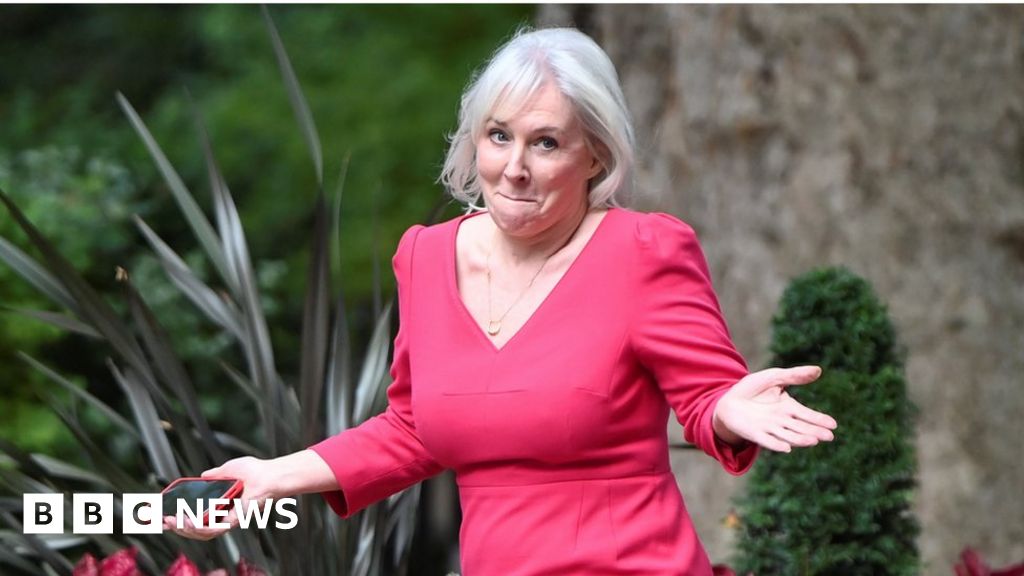
... She added that it was probably " the most legalled book since Spycatcher" - the memoir of a former MI5 officer which, among other revelations, describe a plot to remove Harold Wilson as prime minister...
What does Rutherglen and Hamilton West by-election victory mean for Labour?
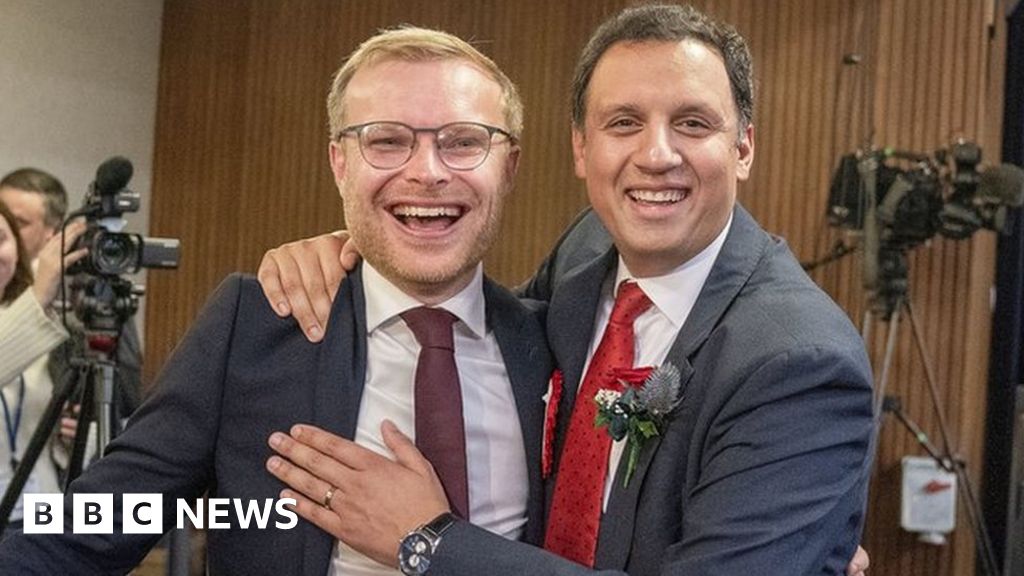
... Generations of Sir Keir s predecessors, from Harold Wilson to Gordon Brown, could rely on a big block of Scottish support in their attempts to form a government...
Impressionist Mike Yarwood dies aged 82

... He was famous for his impressions of former prime ministers Harold Wilson and Ted Heath, as well as Prince Charles...
No 10 turned down Larkin, Auden and other poets for laureate job
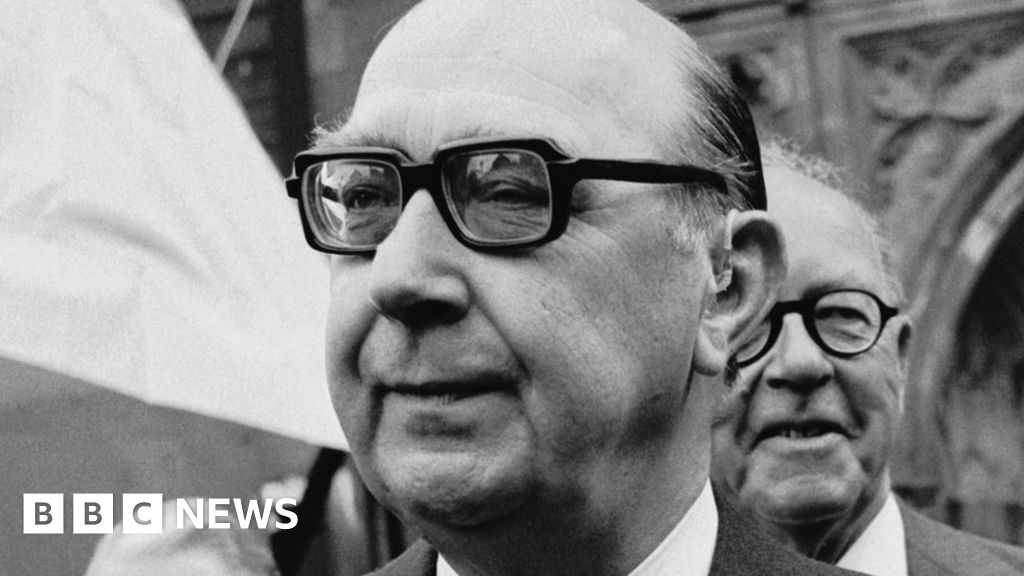
... Harold Wilson, the prime minister, was in no rush to make a decision...
Lord John Morris, ex-Welsh secretary and Blair attorney general dies
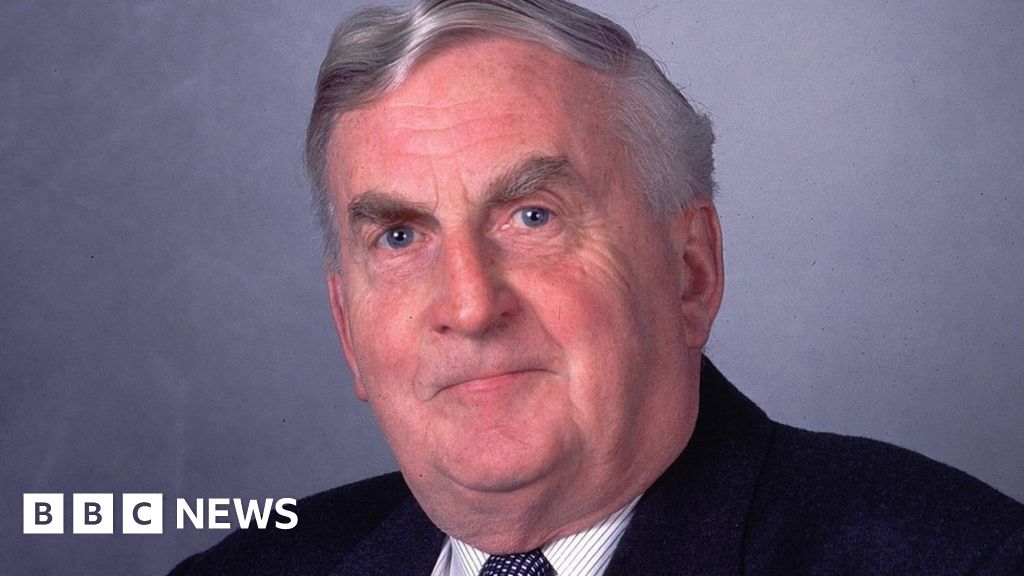
... John Morris served in the cabinets of three Labour prime ministers - Harold Wilson, Jim Callaghan and Tony Blair...
Crystal Palace letter arrives more than 100 years late

... Future prime ministers Harold Wilson and Sir Edward Heath were both born later that year...
Sir David Butler, pioneering election analyst, dies aged 98
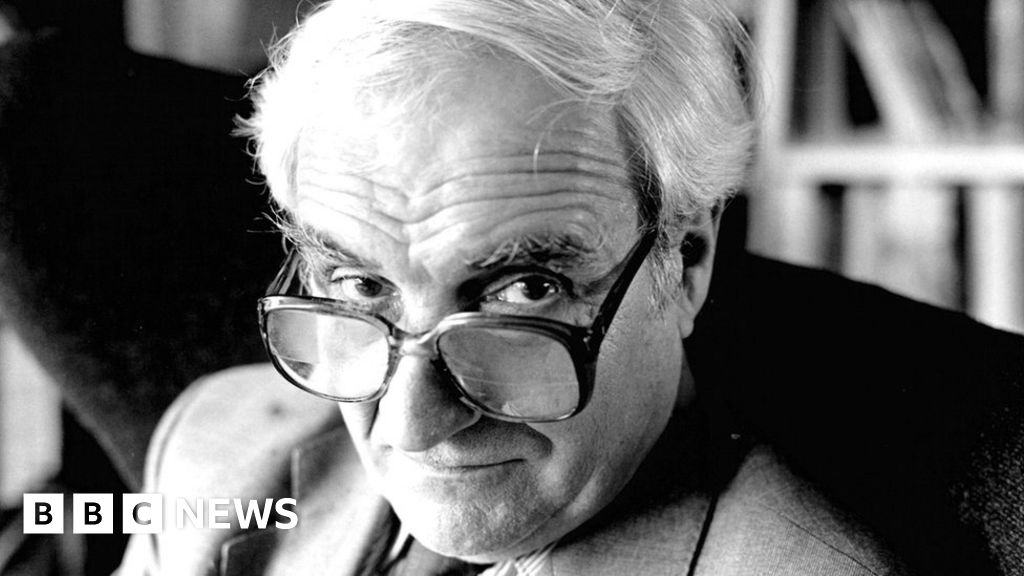
... Harold Wilson ventured the opinion that it could still be " very close" but Butler s rejoinder was withering...
Charles will not cool on climate action, say friends
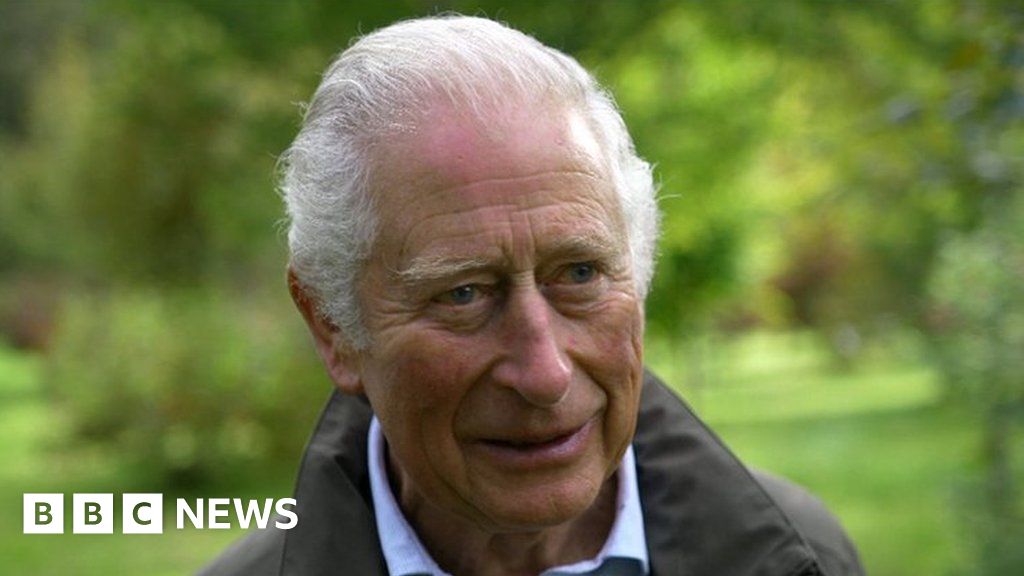
... Within months of his investiture as Prince of Wales in 1969, the 20-year-old Prince Charles wrote to Prime Minister Harold Wilson worried about the decline of salmon stocks in Scottish rivers...
Indian activists who helped change the face of modern Britain
As Britain looked to recover and rebuild after the devastation of World War Two it turned to The Commonwealth .
But many of The Migrants who filled crucial jobs amid labour shortages routinely encountered racism and discrimination.
Two Friends who arrived in the country just before The War would Go On to play major roles in changing The Face of modern Britain.
VP Hansrani and Ujagar Singh had travelled from Rurka Kalan, a small village in The Indian state of Punjab, in their early 20s, looking for a New Life in the UK.
But according to Dr Nikita Ved, from the 1928 Institute, their legacy would not only be " to oil The Wheels of Indian independence but to lay The Foundation stones for contemporary British Asians".
Inspired initially by The Fight for Indian independence, the pair helped Set Up The Indian Workers Association (IWA) in Coventry soon after the start of The War .
Malcolm XIt would Go On to inspire branches across the country and challenge social and welfare issues affecting The Immigrant population.
A visit by Malcolm X to the West Midlands in 1965 put the organisation on the map, but Mr Hansrani and Mr Singh had learnt long before that a search for a better life would require action.
After staying at an Indian workers commune in London in 1939, the pair had travelled to the West Midlands . They found employment at a metal works in Birmingham.
" It was very hard, hot and heavy and the conditions were not attractive, just £2. 50 for a week of Six Days , " Mr Hansrani recounted.
" Ujagar put forward a suggestion to me that we will go to Coventry to find some better work and of good wages and also a place To Live , " He Said .
Mr Hansrani eventually gained a certificate to work as a pedlar.
In his memoirs, he describes how two pounds and 10 shillings bought him ties, handkerchiefs, razor blades, shorts and a tablecloth.
He also recounted how he and his friend had dodged German bombs during raids on The City , spending The Night of The Blitz in a field outside Coventry.
Back in India, there was a rising tide of nationalism with a growing movement against British rule.
Mahatma Gandhi 's name was known across the globe for his non-violent challenges to the injustices he believed many Indians had suffered under the Raj.
But any move towards independence was halted with the outbreak of war.
At a terraced house in a suburb of Coventry on Christmas Eve 1939, a group of like-minded immigrants, including Mr Singh and Mr Hansrani, met to formalise an organisation that had the aim of raising consciousness in the UK of The Struggle for Indian independence.
" It was Set Up to not only educate The Indian workers about what was happening in India, but also to turn The Tide and push for full independence, " said Arun Vaid, grandson of Mr Hansrani.
" They weren't a violent group, it was more about activism, engaging and creating alliances. "
Mr Singh took on The Role of treasurer and Mr Hansrani, having been educated in India, produced and edited the organisation's monthly News Bulletin Azad Hind .
It was about education, explained Mr Vaid, but also to point out the " hypocrisy" of The British rule in India.
" We were fighting Nazis and Once Again German imperialism, yet Britain had an empire of its own which treated Indians, Africans and people from The Caribbean as second-class citizens, " He Said .
" Groups such as the IWA and India League highlighted this hypocrisy with great effect, creating solidarity amongst fellow travellers. "
The Hidden Story Of these early pioneers has been highlighted by The 1928 Institute Think Tank , Set Up to research and represent British Indians.
Formerly known as the India League, the organisation has since rebranded due to its work with the University of Oxford.
There was a " type of radical politics" among The Group in England but also inspired by the Independence Movement back in the Punjab at This Time , explained Dr Pippa Virdee, author of The Book and research project Coming to Coventry: Stories from The South Asian Pioneers.
" There was a leftist, progressive politics, which was having a broader impact, and the IWA pre-war was very much influenced by that. "
A bloody assassination would bring The Group on to the radar of British Intelligence services, with the leaders soon put under surveillance.
On 13 March 1940 at London's Caxton Hall, Udham Singh shot dead Michael O 'Dwyer.
Udham Singh , who had attended IWA meetings in Coventry, held the former Lieutenant Governor of the Punjab responsible for the 1919 in which hundreds of Indians attending a public meeting were killed by British troops in the northern Indian City of Amritsar. He was later hanged for his actions.
The India Office records show how, after The Assassination , reports were written about The Group stating it was " not of a terrorist character" but there was a " considerable number of its members who are in favour of violent methods" who were encouraging others to hold similar views.
It described Azad Hind as an " offensive Urdu bulletin, " saying it was " likely to become popular among Indians because of the outspokenness of its articles".
" I don't think he even knew he was under surveillance, " said Mr Vaid, who discovered his grandfather's files in The British Library.
Mr Hansrani likely became a target of intelligence services, his grandson said, because his education meant he was often The One to pen the speeches, as well edit the newspaper and organise the workers.
Religious ViolenceIn August 1947 India won its independence from The British and split into two states, forcing millions of people to leave their homes creating tensions and divisions across the region.
About 12 million people became refugees with hundreds of thousands killed in Religious Violence .
With the UK suffering labour shortages after The War , The British Nationality Act 1948 gave millions of Commonwealth citizens The Right To Live and work in the UK without a visa.
With this influx of new workers, and its aim of an independent India achieved, the IWA turned its attention to the issues facing The Immigrant population in the UK.
Branches sprang up where these populations were concentrated, including Wolverhampton and Southall, in London.
Upon advice from The Indian president, The Local associations were brought together to form The Indian Workers' Association Great Britain , current president Avtar Singh Jouhl said.
Instrumental in setting up the Birmingham branch of the IWA in 1958, he also became one of its most vocal activists.
There was a " shocking" amount of racism at The Time , He Said , describing how there was discrimination in local pubs that operated a " colour bar" as well as in housing and employment.
Black and Asian People were often stopped from entering pubs, bars and restaurants, and landlords refused to rent to particular immigrants.
" There was no legislation, " He Said , " anybody was free to practise racism.
" So The Indian Workers' Associations nationally started to campaign and lobby the government. "
Becoming increasingly allied to The Trade union movement, it committed to fight discrimination, but also provide a sense of community for migrants in their new country.
This video can not be played
To play this video you need to enable JavaScript in your browser. Media caption, Why was this superstar of civil rights in the UK?A at The Invitation of the IWA, " put our campaign on the worldwide map, " Mr Jouhl, said.
Seen by some as a hotbed of racial tension, some residents of Marshall Street had been calling for The Council to buy up empty houses and make them available to white families only.
Malcolm X told newspapers he was visiting because he was " disturbed by reports that coloured people in Smethwick are being treated badly".
" He wanted to visit a pub so I deliberately took him to a bar where Black People were not served, " explained Mr Jouhl.
" There was also a black person living in A House on The Street and he talked to him, and saw the posters in the windows saying 'only White People need apply' and he was shocked.
" And his comment was - it was worse than America. "
Malcolm X was shot dead Nine Days later at a rally in New York .
As more South Asian women followed The Men into the workplace during the 1970s, they too became members of the IWA and joined The Fight for better working conditions.
A in 1974 saw hundreds of mainly Asian workers protest for nearly three months, backed by the IWA, but controversially not by The Local Transport and General Workers' Union.
Following the election of Harold Wilson 's Labour government in 1964, the Race Relations Act Race was introduced The Following year.
The IWA's campaigns had been key for bringing change, said Mr Jouhl.
" The Indian Workers Association played a role during the 60s and 70s and continued to play during The 80S , 90 and even up to now, " He Said .
A welfare centre was established on Soho Road Handsworth in 1978 in honour of Udham Singh , with Mr Jouhl As One of the original trustees.
According to Dr Talvinder Gill, author of a PhD thesis on The Group 's history, the campaigns and political convictions of the IWA " changed The Face of modern Britain".
He Said the organisation, founded in Coventry, was at the forefront of anti-racist campaigns and its fight for acceptance was a " class struggle that concerned all sections of society".
Metropolitan eliteThe Two Friends from the Punjab, who had been such early pioneers of the IWA in Coventry both remained affiliated with The Movement but rose through the ranks to become leaders of the India League.
The Group worked closely with the IWA, however its leadership and members were comprised of the metropolitan elite, Dr Nikita Ved said.
Established in 1928 by Krishna Menon, it included left-wing luminaries such as Bertrand Russell , Aneurin Bevan and HG Wells.
Dr Ved, from The 1928 Institute said Hansrani and Singh, " two avid adventurers from a sleepy hamlet in India's Punjab" had used all their worldly possessions to reach England.
Despite having a limited education, She Said they rubbed shoulders with " literary greats and English elites" while Singh's granddaughter Baroness Sandip Verma went on to sit in The House of Lords and is The Chair of the Un Women group.
Hansrani and Singh had helped hundreds of Indian families Set Up in England, she added.
" Our generations owes a lot of our right and liberties to our forebear's Sacrifices - and it is this that we must not forget. "
Follow BBC West Midlands on, and. Send your story ideas to: newsonline. westmidlands@bbc. co. uk
Source of news: bbc.com
Harold Wilson Photos