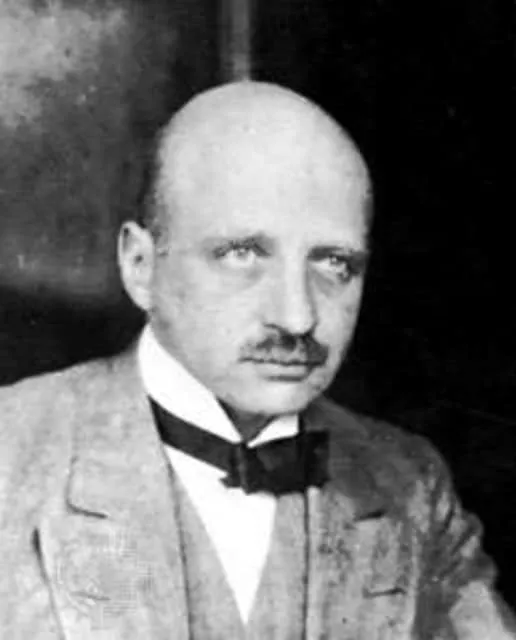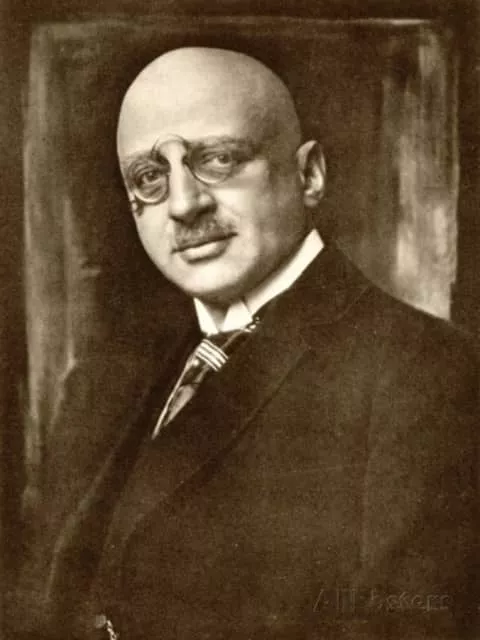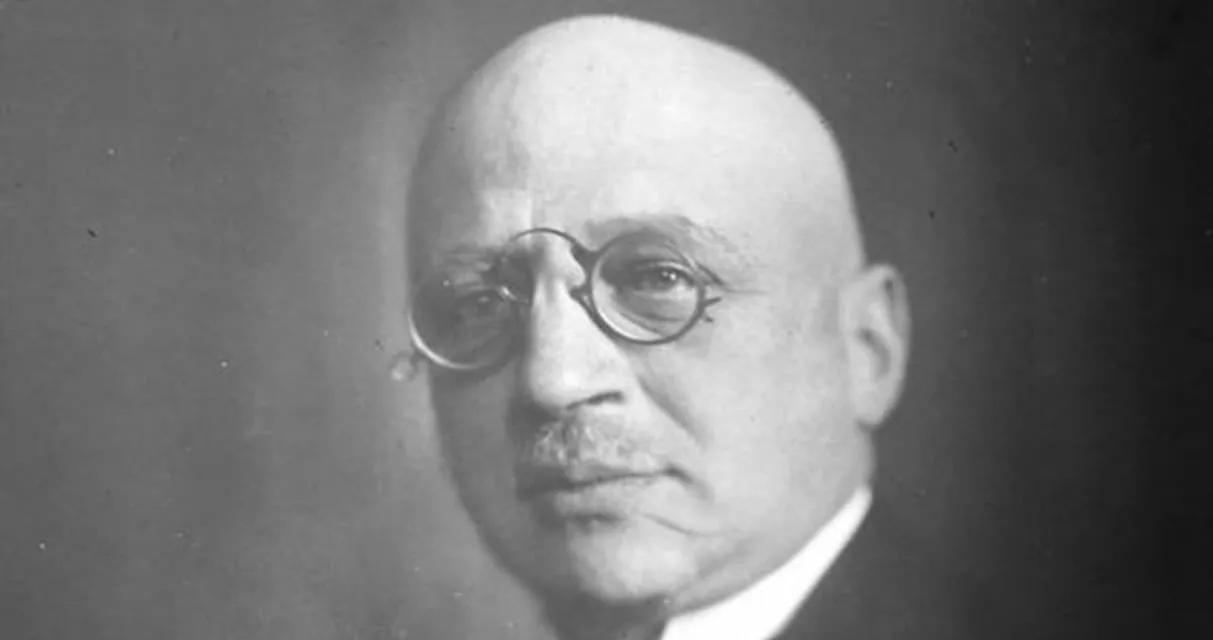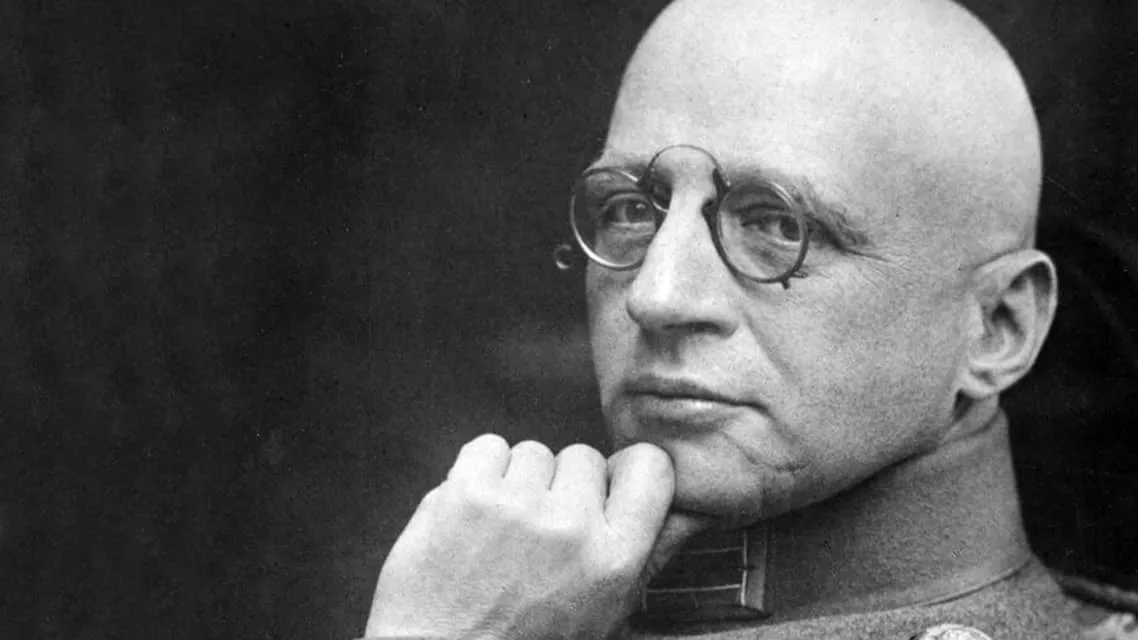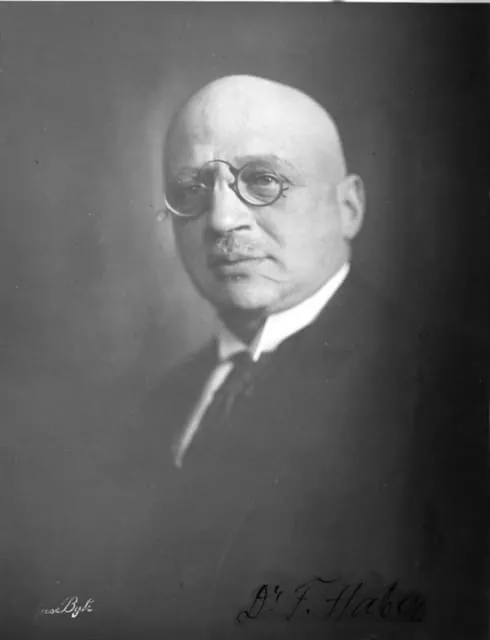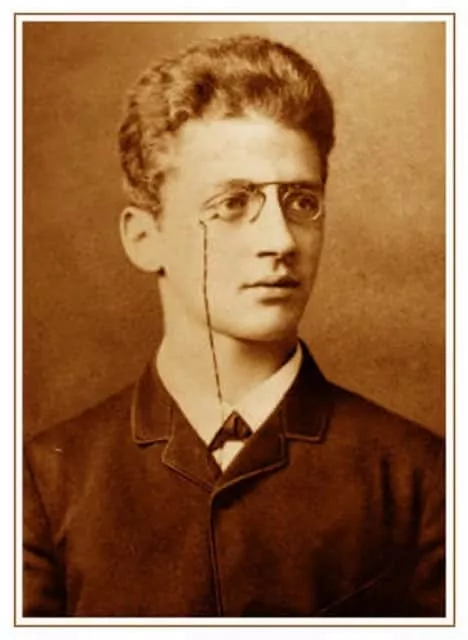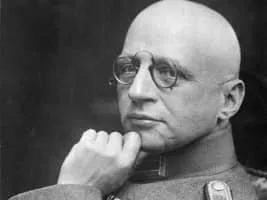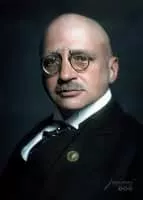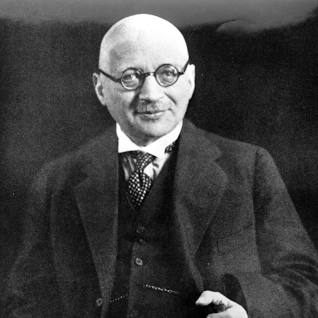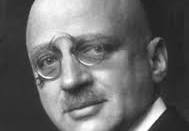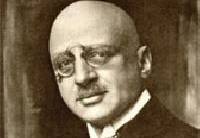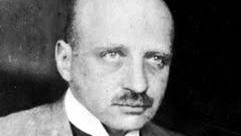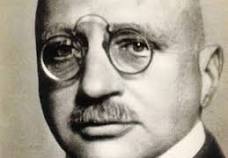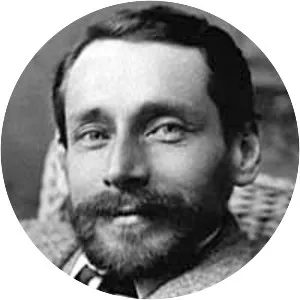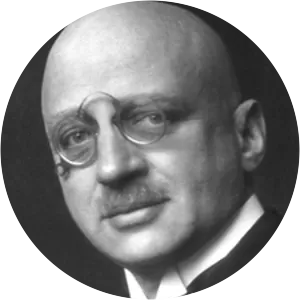
Fritz Haber
| Use attributes for filter ! | |
| Gender | Male |
|---|---|
| Death | 91 years ago |
| Date of birth | December 9,1868 |
| Zodiac sign | Sagittarius |
| Born | Wroclaw |
| Poland | |
| Date of died | January 29,1934 |
| Died | Basel |
| Switzerland | |
| Spouse | Charlotte Nathan |
| Clara Immerwahr | |
| Known for | Haber process |
| Born–Haber cycle | |
| Fertilisers | |
| Surface science | |
| Job | Chemist |
| Engineer | |
| Physicist | |
| Education | ETH Zürich |
| Heidelberg University | |
| Humboldt University of Berlin | |
| Books | Practical Results of the Theoretical Development of Chemistry |
| Thermodynamics of technical gas-reactions | |
| Awards | Nobel Prize in Chemistry |
| Rumford Medal | |
| Wilhelm Exner Medal | |
| Goethe-Medaille für Kunst und Wissenschaft | |
| Children | Hermann Haber |
| Ludwig Fritz Haber | |
| Eva Lewis | |
| Parents | Paula Haber |
| Siegfried Haber | |
| Siblings | Else Haber Freyhahn |
| Nationality | German |
| Date of Reg. | |
| Date of Upd. | |
| ID | 471906 |
Fritz Haber Life story
Fritz Haber was a German chemist who received the Nobel Prize in Chemistry in 1918 for his invention of the Haber–Bosch process, a method used in industry to synthesize ammonia from nitrogen gas and hydrogen gas. This invention is important for the large-scale synthesis of fertilisers and explosives.
Fritz Haber Photos