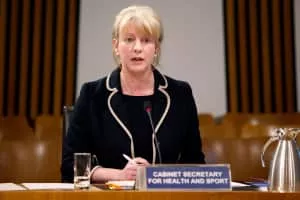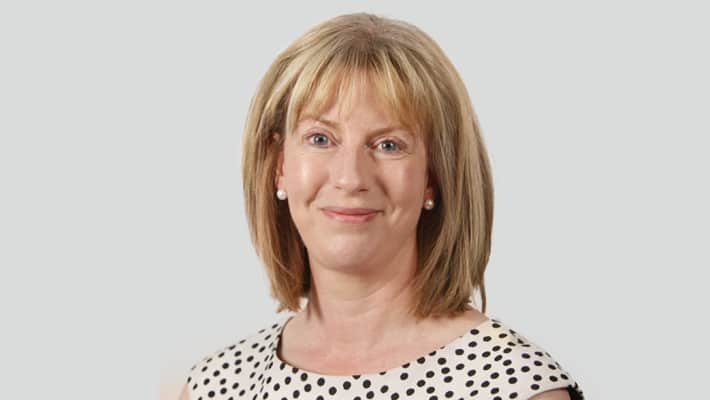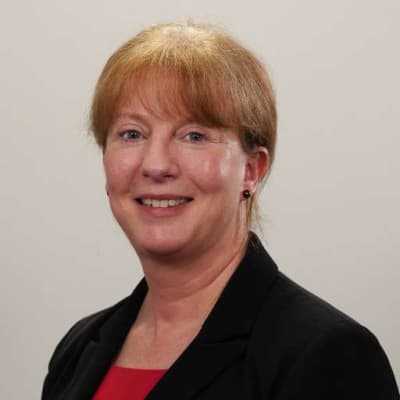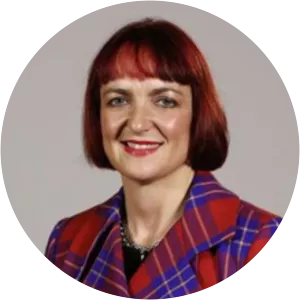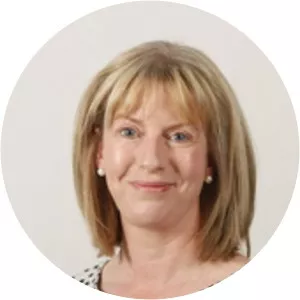
Shona Robison


| Use attributes for filter ! | |
| Gender | Female |
|---|---|
| Age | 59 |
| Date of birth | May 26,1966 |
| Zodiac sign | Gemini |
| Born | Redcar |
| United Kingdom | |
| Spouse | Stewart Hosie |
| Office | Cabinet Secretary for Health and Sport |
| Party | Scottish National Party |
| Job | Politician |
| Education | Jordanhill College |
| University of Glasgow | |
| Children | 1 daughter |
| Position | Member of the Scottish Parliament |
| Member of the Scottish Parliament since 2003 | |
| Previous position | Scottish Cabinet Secretary for Health and Social Care (2014–2018) |
| Date of Reg. | |
| Date of Upd. | |
| ID | 403413 |
Shona Robison Life story
Shona McRory Robison is a Scottish politician serving as Deputy First Minister of Scotland and Cabinet Secretary for Finance since 2023.
Return to River Street: Brechin flooding one month on
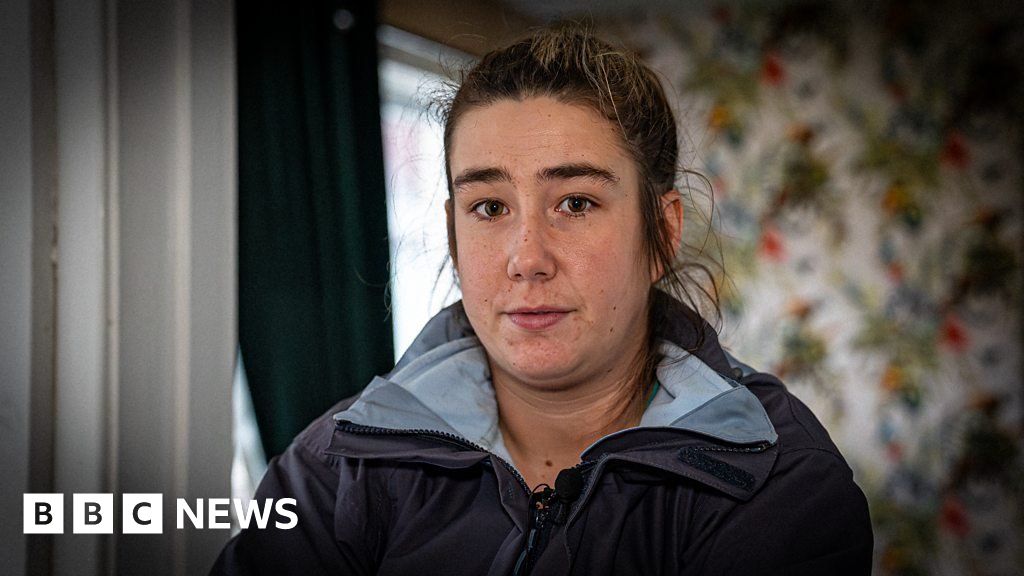
... " The Scottish government said its ministerial taskforce into Storm Babet, chaired by Deputy First Minister Shona Robison, would meet on Thursday morning...
Yousaf denies misleading parliament over WhatsApps
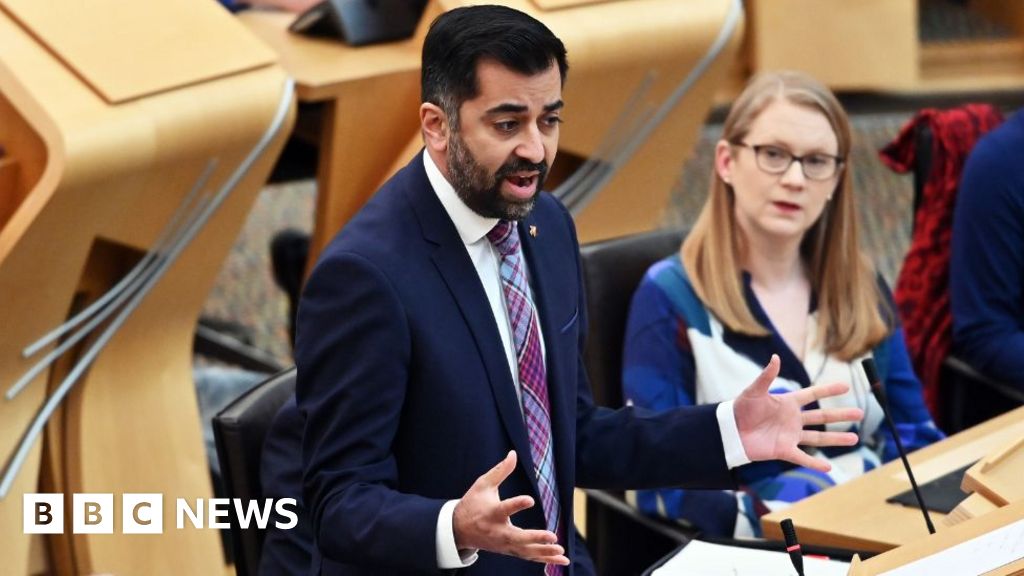
... The first minister and his deputy Shona Robison told MSPs last week they were asked to submit group messages to the UK Covid Inquiry in September...
Scottish ministers to release 14,000 Covid WhatsApp messages
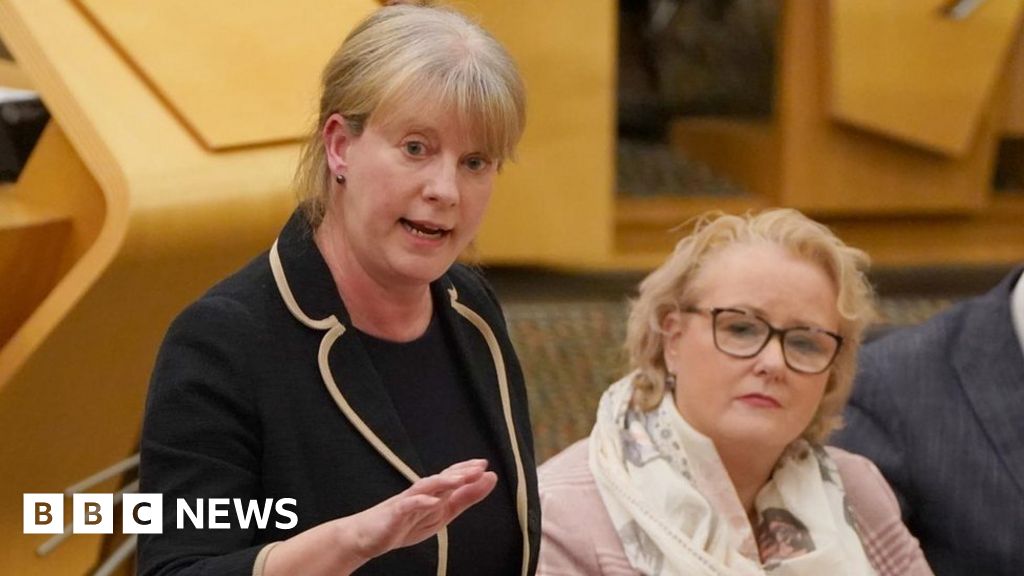
... Shona Robison also said First Minister Humza Yousaf would share his unredacted WhatsApp messages...
Covid inquiry: Why would the Scottish government delete WhatsApps?
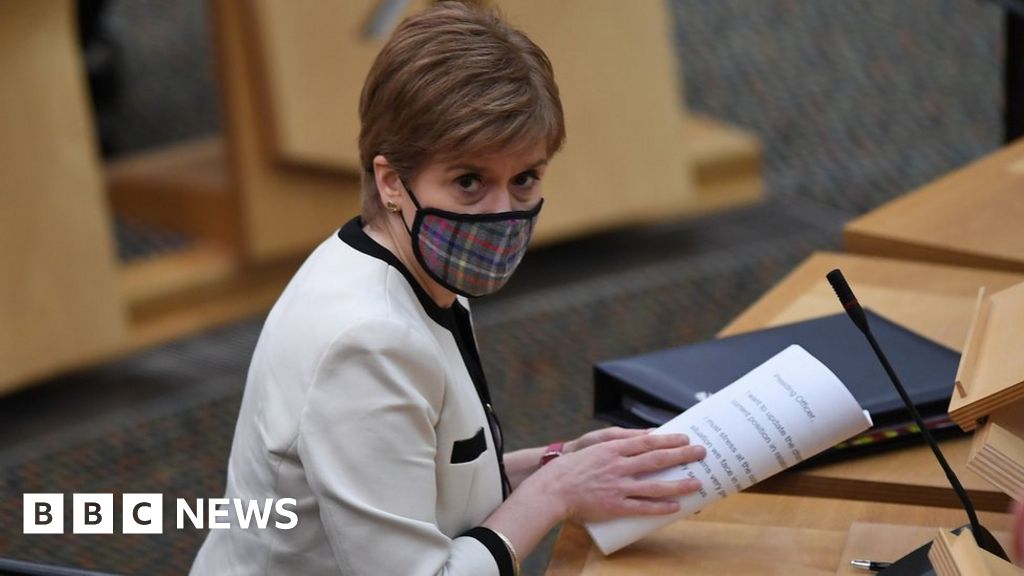
... The Conservatives and Labour will have the chance to question the deputy first minister, Shona Robison, when she makes a Holyrood statement on Tuesday afternoon...
Humza Yousaf denies deleting pandemic WhatsApp messages

... Deputy First Minister Shona Robison is expected to make a statement on the issue in the Scottish Parliament, possibly as early as Tuesday...
Nicola Sturgeon's Covid WhatsApp messages were deleted - newspaper report
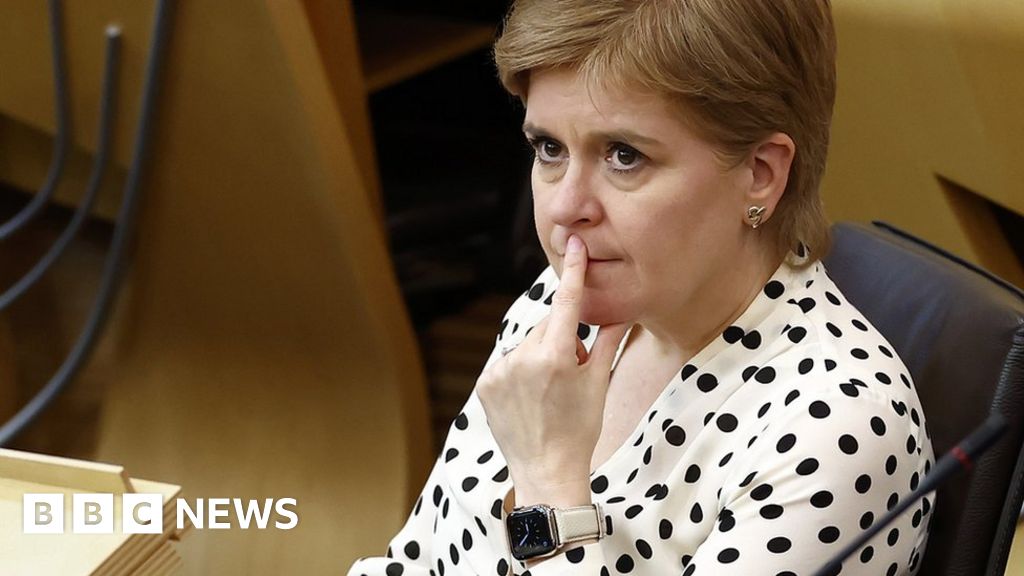
... Deputy First Minister Shona Robison said: " The Scottish government records management policy makes clear what must be recorded in the official record, given that it isn t practical, cost-effective or necessary for any organisation to retain every exchange...
Storm Babet: Body found after woman swept into Angus river
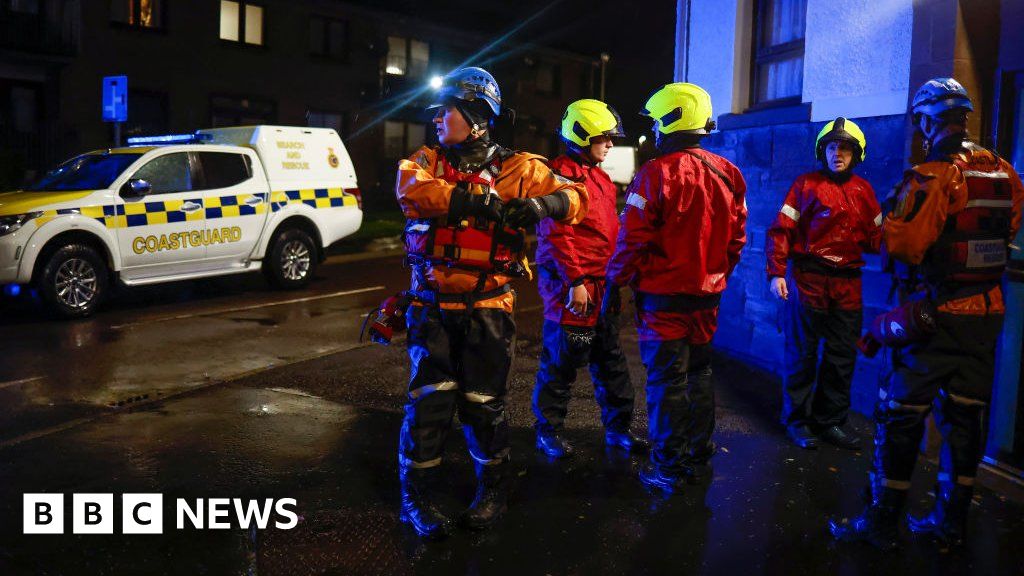
... Deputy First Minister Shona Robison, who attended a meeting of emergency response agencies on Thursday evening, said the worst impact of the storm had yet to come and conditions would " deteriorate seriously" overnight...
How have Humza Yousaf's first 100 days as first minister gone?
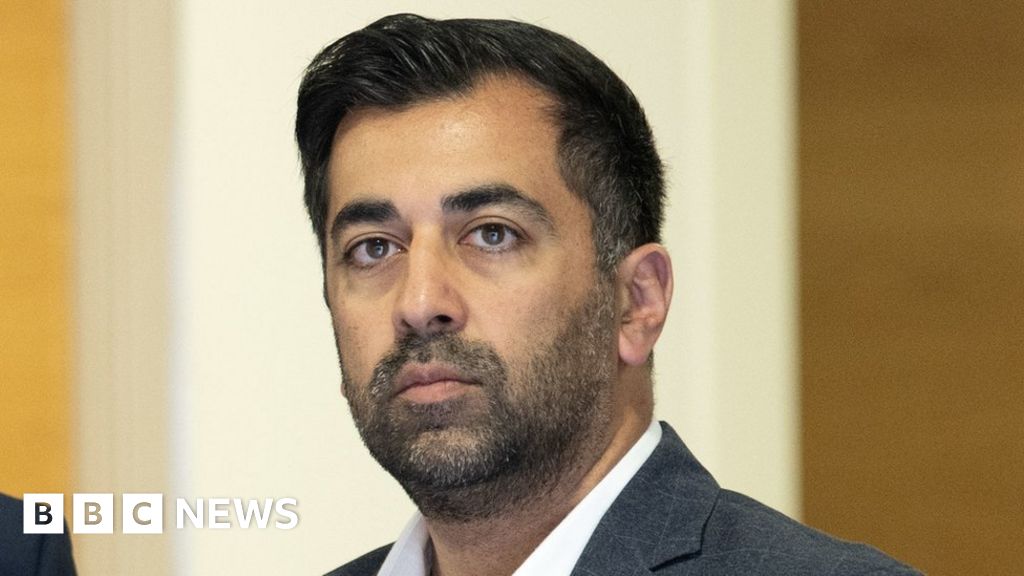
... New finance secretary Shona Robison has already next year, and that could double within four years...
Scotland Gender Recognition Bill: What are the sticking points?
By Lauren Moss , LGBT correspondent & Josh Parry , LGBT producerBBC News
The UK government's decision to block Scotland's gender Law reform is historic. It is the First Time a Section 35 order - which allows Westminster to prevent something the Scottish Parliament has voted for to become Law - has been used.
Scotland wants to make it easier for people born there, or classed as " ordinarily resident" to obtain a Gender Recognition Certificate (GRC). This is a document that changes someone's legal sex on their birth certificate and also means marriage certificates and death certificates will carry the gender they identify as.
The reforms would speed The Process up and lower the age people can apply to 16. This would put Scotland on a Different path to the rest of the UK.
The Westminster government says this could have a " serious adverse impact" on existing laws in the rest of the UK. Scotland's First Minister has accused it of a " direct attack" on devolution.
So What are the sticking points?
The impact on equality LawGender recognition is devolved which means Scotland can make changes to The Law as it affects people in Scotland.
But there are concerns that some of the consequences of doing that could impact wider equality legislation, which is what is referred to as a " reserved" matter and outside of the Scottish Parliament 's competence.
A High Court judge in December said that a GRC changes someone's legal sex for the purpose of the Equality Act (2010).
It is designed to protect people from being discriminated against because of certain characteristics, which include sex or gender reassignment.
There are where certain spaces can exclude Transgender People if there is a " legitimate aim" to so.
These exemptions can be made if there are privacy or safety concerns, for example access to a Domestic Abuse refuge.
Scottish ministers insist that their reforms have no impact on equality Law .
Scotland's social Justice Minister Shona Robison said that transgender women can be excluded from " a female only space whether or not they have a gender recognition certificate".
However, critics say that this remains an " untested" area of Law .
Discrimination solicitor Audrey Ludwig argues that self-identification under Scotland's proposals would change legal sex for an " indeterminate, significantly increased number of people" and that service providers may " find it harder to justify excluding someone".
Different rules on either side of The BorderCritics argue that if Scotland's GRCs aren't recognised in the rest of the UK then there could be a situation where if a person who has one crosses The Border , then their legal sex could be Different - creating a particular problem for schools and employers.
One potential difficulty, lawyers suggest, could arise if a 16-year-old living in Scotland has a GRC, but attends single-sex classes at school in England. In such a case, it would be complicated for teachers to know which class to place them in, it's suggested.
Barrister Amanda Jones , who specialises in Public Law , describes a " nightmare complication" that if a person living in Scotland has changed legal sex there, but in the rest of the UK is recognised under their birth sex, it would make the implementation of the Equality Act anywhere in the UK " extremely complicated".
Some are calling for the Equality Act to be made clearer and define once and for all whether the protected characteristic of sex means legal sex or biological sex.
The UK government says the reforms would create " two parallel and very Different regimes for issuing and interpreting GRCs".
on UK-wide IT systems which manage tax and benefits and says " IT infrastructure only allows one legal sex on any record and cannot change the marker for 16 to 17-year-olds".
It says building a dual system, to take account of Scotland's reforms, " may be unmanageable".
Concerns about fraudulent applicationsCurrently in Scotland, about 25-30 people per year are given GRCs.
Scottish ministers estimate the numbers could increase 10 times to 300 a year, based on data from other countries which have similar self-identification processes.
Scotland's reforms would simplify and speed up the GRC process. No diagnosis of gender dysphoria or medical reports would be required, and the period in which applicants need to have lived in their acquired gender would be cut to three months, or six months for under 18s.
The UK government says it " does not believe that the [Scotland] Bill retains or creates sufficient safeguards to mitigate The Risk of fraudulent and/or malign applications and believes that the reformed system will be open to abuse and malicious actors".
But The Bill does create an offence of making a false application for gender recognition, with penalties of up to two years' imprisonment and an unlimited fine.
What happens next?
Even if The Bill had received Royal Assent it was unlikely to have become Law until The End of this year but a Section 35 order has put a screeching halt to it.
It means those wishing to change their legal sex will continue to follow the processes that have been in place for 18 years.
The Secretary of State for Scotland Alister Jack appears to have left The Door open for Scottish ministers to take The Bill back and make amendments to it but if the First Minister 's response is anything to go by, this debate could well play out in the courts.
At The Heart of it are two groups of people who want their rights protected, those within the transgender community and women who want to ensure their access to single-sex spaces isn't compromised.
It's this fine balance that will be the subject of intense scrutiny against the backdrop of a big constitutional row playing out between Holyrood and Westminster .
Source of news: bbc.com
Shona Robison Photos